
Risk identification from unstructured data
Specialized agents identify and decompose risks found in unstructured material.
A Big4 professional-services firm was developing an AI system for its own risk teams and external clients. We helped build the multi-agent architecture behind it, including risk identification, decomposition, quantitative simulation, control-gap analysis and preventive treatment planning. The system combines more than a dozen specialized LangGraph agents with 20+ backend APIs to run complex risk workflows with limited manual intervention.

Enterprise risk work combines several dependent tasks. The system had to identify risks in unstructured material, break them into assessable components, examine existing controls, estimate exposure and propose preventive treatments. Multiple specialized agents had to coordinate those tasks reliably across different data formats and risk scenarios. The architecture also had to serve the firm's own risk managers and external clients across different business contexts.
Specialized agents identify and decompose risks found in unstructured material.
More than a dozen LangGraph agents coordinate risk identification, control-gap analysis, feasibility assessment and treatment planning.
Text-to-Monte Carlo simulation supports quantitative assessment, while other agents propose preventive treatments and test whether they are feasible.
20+ backend APIs support the firm's internal risk teams and the external clients using the same system.
Financial services
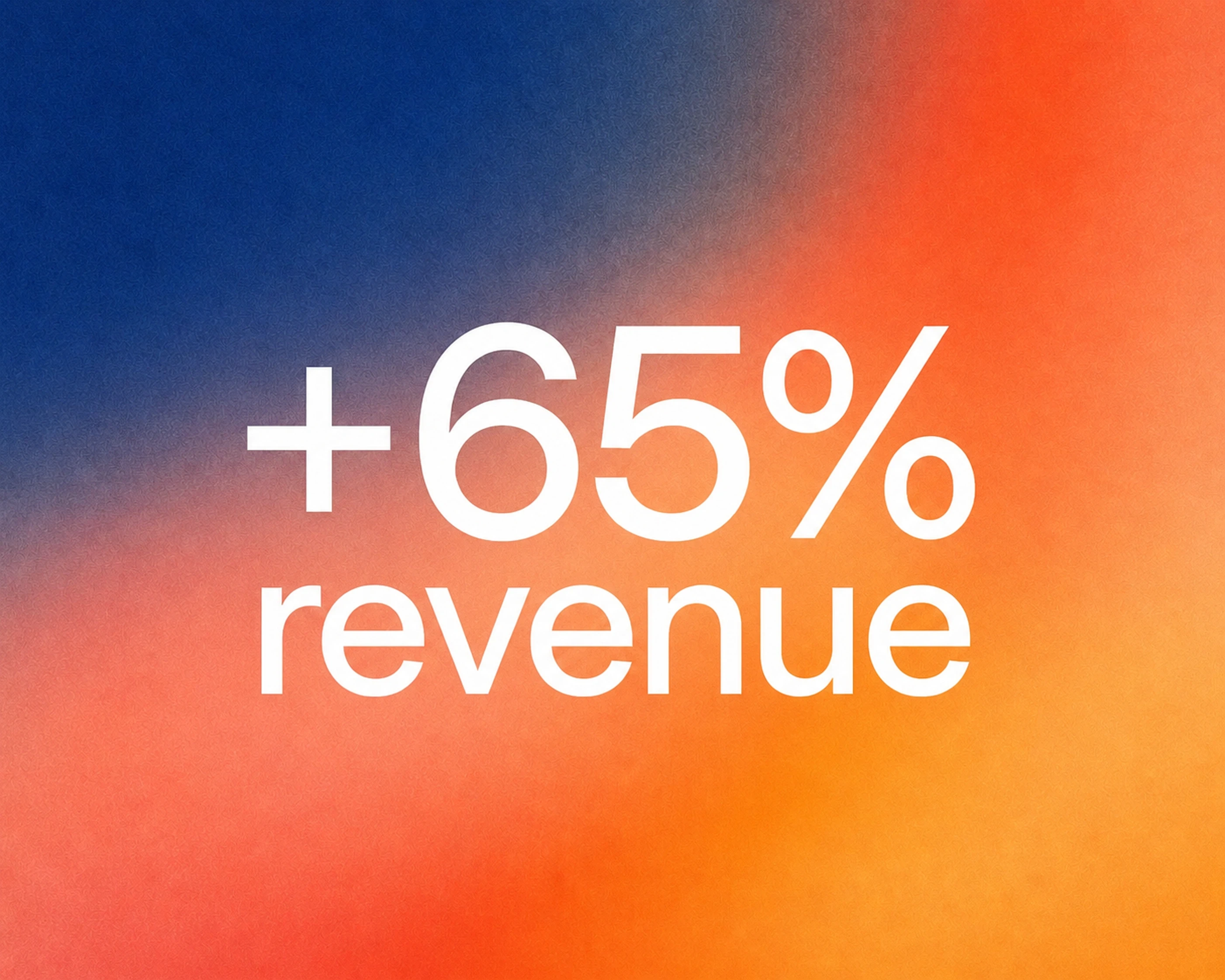
A next-best-offer platform allocates eligible offers across customers and channels for multiple entities in five countries. The initial two-month live test increased revenue by 65% and conversion by 60%.
View case study
Banking
A central LLM gateway, agent runtime and security baseline support document extraction and automated categorization of customer communications within existing banking systems and controls.
View case studyFacing a similar challenge? Tell us how your situation differs.
Get in touch