
Models designed for delayed readings
The forecasting process works from the observations available at prediction time, without assuming the latest interval has already arrived.
An energy retailer needed to forecast electricity consumption 24 hours ahead for day-ahead market decisions. The latest consumption readings were not always available when each prediction had to be made, reducing the recency of the model's inputs. We reproduced that delay during testing and built forecasting models for 15-minute and hourly intervals. The approach outperformed the baseline methods used at the time.

The latest consumption reading was unavailable at prediction time, leaving the models with less recent inputs. To reproduce that delay, each test used only the observations available when the prediction would have been made.
The forecasting process works from the observations available at prediction time, without assuming the latest interval has already arrived.
The models forecast the next 24 hours in both 15-minute intervals and hourly intervals.
We shifted the prediction threshold during evaluation so each test used only the observations that would have been available at that time.

Manufacturing
A specialized system creates manufacturing designs from CAM/CAD data and validates them against product requirements and equipment limits.
View case study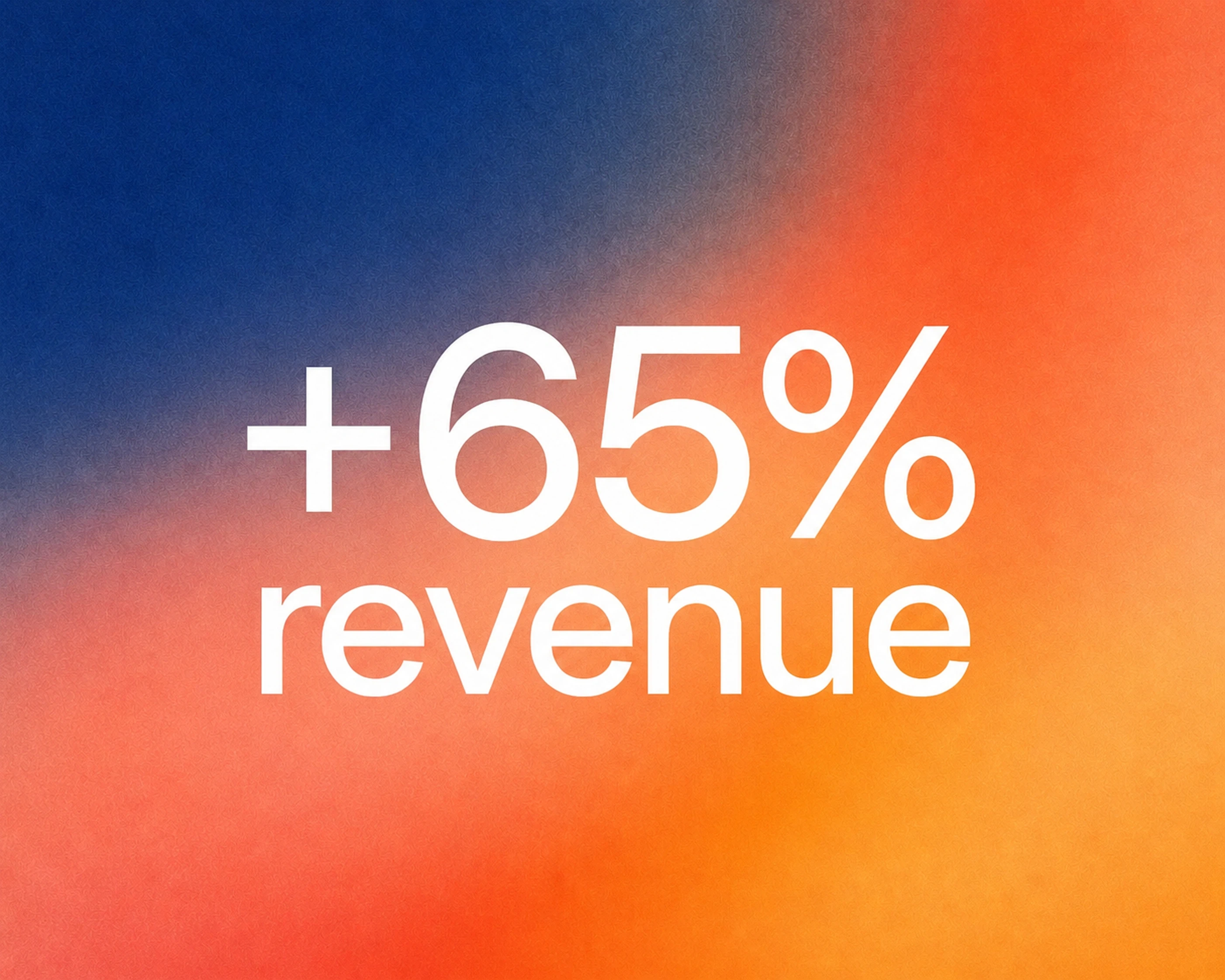
Financial services
A next-best-offer platform allocates eligible offers across customers and channels for multiple entities in five countries. The initial two-month live test increased revenue by 65% and conversion by 60%.
View case studyFacing a similar challenge? Tell us how your situation differs.
Get in touch